Introduction
As global manufacturing and infrastructure development continue to accelerate, 304 stainless steel remains one of the most widely used and demanded stainless steel grades in international B2B markets. Known for its excellent corrosion resistance, mechanical strength, and cost efficiency, 304 stainless steel has become a core material across industries such as construction, food processing, chemical engineering, and medical equipment.
For steel importers, distributors, and industrial buyers, understanding the market value and application advantages of 304 stainless steel is essential for making reliable sourcing decisions.
What Is 304 Stainless Steel?
304 stainless steel, also referred to as AISI 304 or 18-8 stainless steel, is an austenitic stainless steel alloy containing approximately 18% chromium and 8% nickel. This chemical composition provides excellent resistance to oxidation and corrosion while maintaining good formability and weldability.
Compared with other stainless steel grades, 304 stainless steel offers a balanced combination of performance, durability, and affordability, making it the most commonly used stainless steel material worldwide.
Key Properties of 304 Stainless Steel
- Excellent corrosion resistance in most atmospheric and mildly corrosive environments
- High strength and toughness, suitable for structural and industrial applications
- Good formability and weldability, ideal for fabrication and processing
- Hygienic surface, easy to clean and maintain
- Cost-effective compared with higher-alloy stainless steel grades
These properties make 304 stainless steel a reliable choice for long-term industrial use.
Major Applications of 304 Stainless Steel
Construction and Infrastructure
In the construction sector, 304 stainless steel is widely used for architectural panels, handrails, piping systems, and structural components. Its corrosion resistance and clean surface appearance make it suitable for both indoor and outdoor applications.
Food and Beverage Industry
The food processing industry relies heavily on 304 stainless steel due to its hygienic characteristics and resistance to food acids and cleaning chemicals. It is commonly used in tanks, pipelines, kitchen equipment, and processing machinery.
Chemical and Industrial Equipment
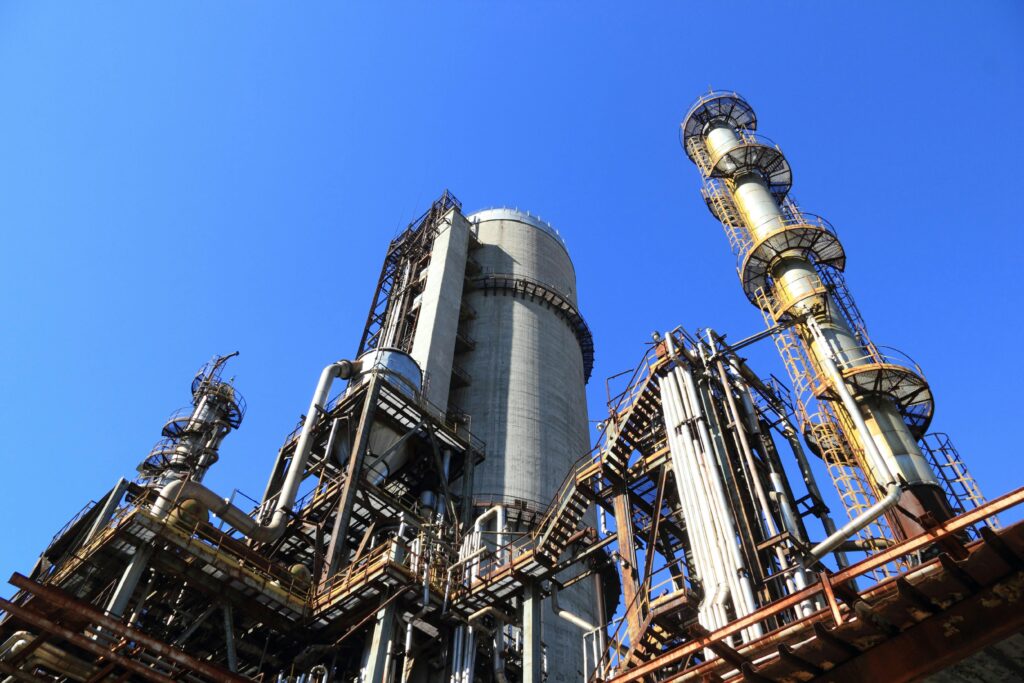
304 stainless steel is frequently applied in chemical processing equipment, pressure vessels, and industrial containers where moderate corrosion resistance is required.
Medical and Healthcare Equipment
Thanks to its excellent surface finish and resistance to sterilization processes, 304 stainless steel is also used in medical instruments, hospital equipment, and laboratory facilities.
Why 304 Stainless Steel Is Preferred by B2B Buyers
For international B2B buyers, selecting the right material supplier is as important as choosing the right steel grade. 304 stainless steel offers several advantages that align perfectly with global sourcing requirements:
- Stable global supply and standardized specifications
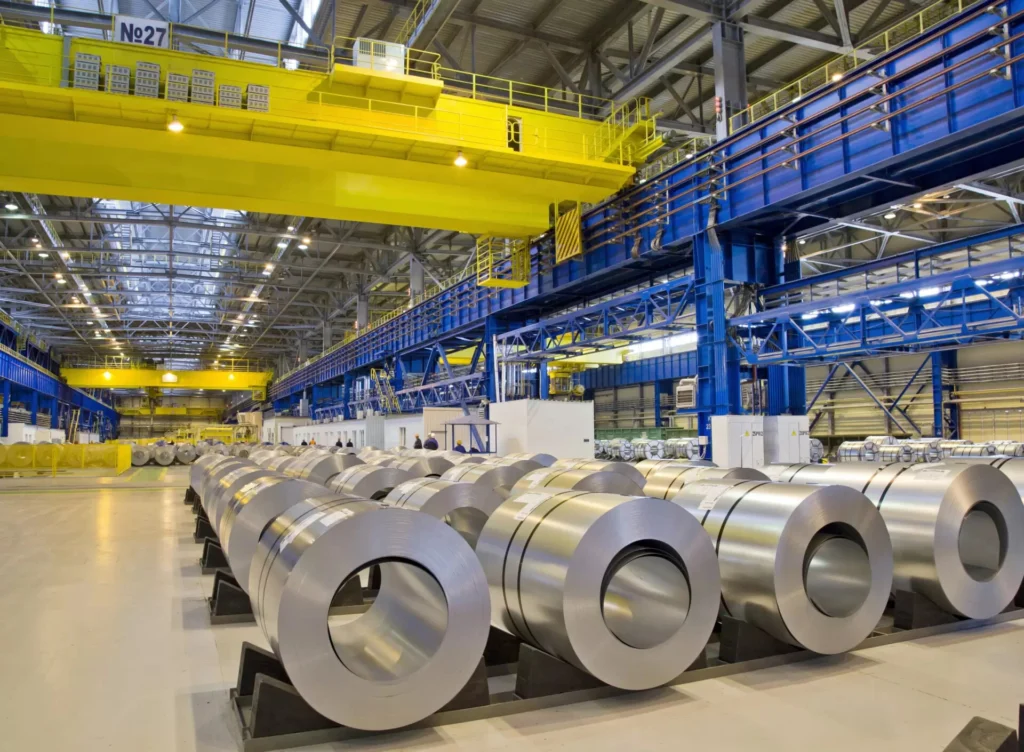
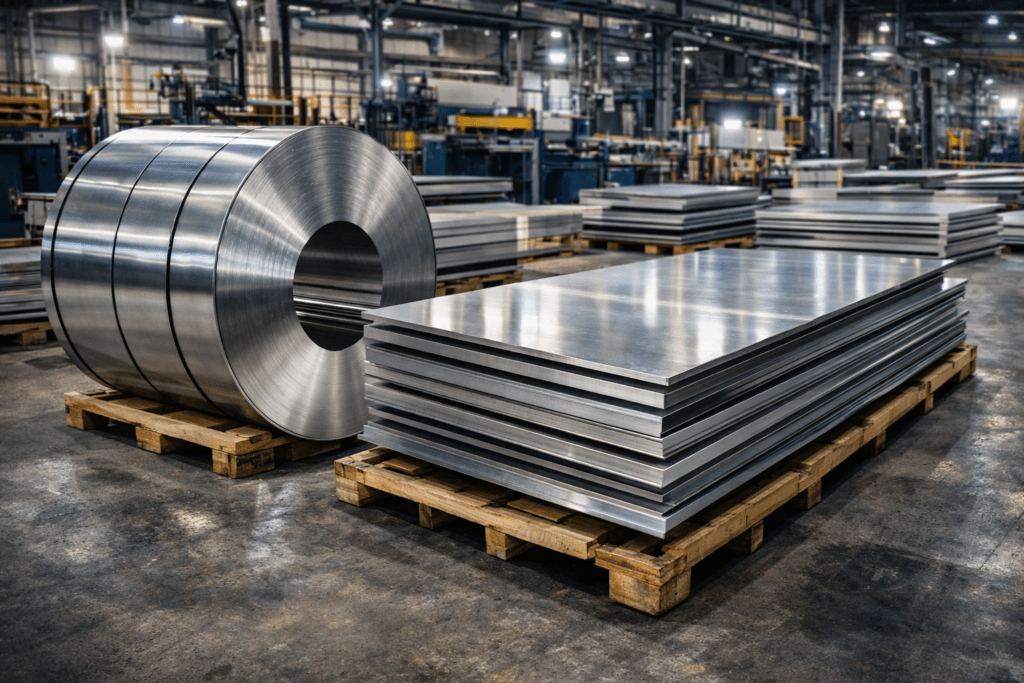
- Wide availability in plates, sheets, coils, and custom sizes
- Competitive pricing for large-volume orders
- Compliance with international standards such as ASTM, EN, and JIS
These factors make 304 stainless steel a safe and efficient choice for long-term procurement.
Global Market Trends for 304 Stainless Steel
With ongoing urbanization, infrastructure upgrades, and industrial expansion, demand for 304 stainless steel continues to grow steadily. Emerging markets, especially in Asia, the Middle East, and South America, are driving new consumption in construction and manufacturing sectors.
At the same time, global buyers are placing increasing emphasis on product quality, stable delivery, and professional export services, making reliable stainless steel suppliers more important than ever.
Choosing a Reliable 304 Stainless Steel Supplier
When sourcing 304 stainless steel for B2B projects, buyers should consider the following factors:
- Production capacity and quality control systems
- Compliance with international standards
- Export experience and logistics capability
- Ability to provide customized specifications
- Stable long-term supply and technical support
A professional stainless steel exporter can help reduce procurement risks and improve overall supply chain efficiency.
Conclusion
As one of the most versatile and widely used stainless steel grades, 304 stainless steel continues to play a vital role in global B2B markets. Its corrosion resistance, durability, and cost efficiency make it an ideal solution for various industrial applications.
For steel importers, distributors, and manufacturers, partnering with a trusted 304 stainless steel supplier ensures consistent quality, competitive pricing, and reliable delivery in an increasingly competitive global market.