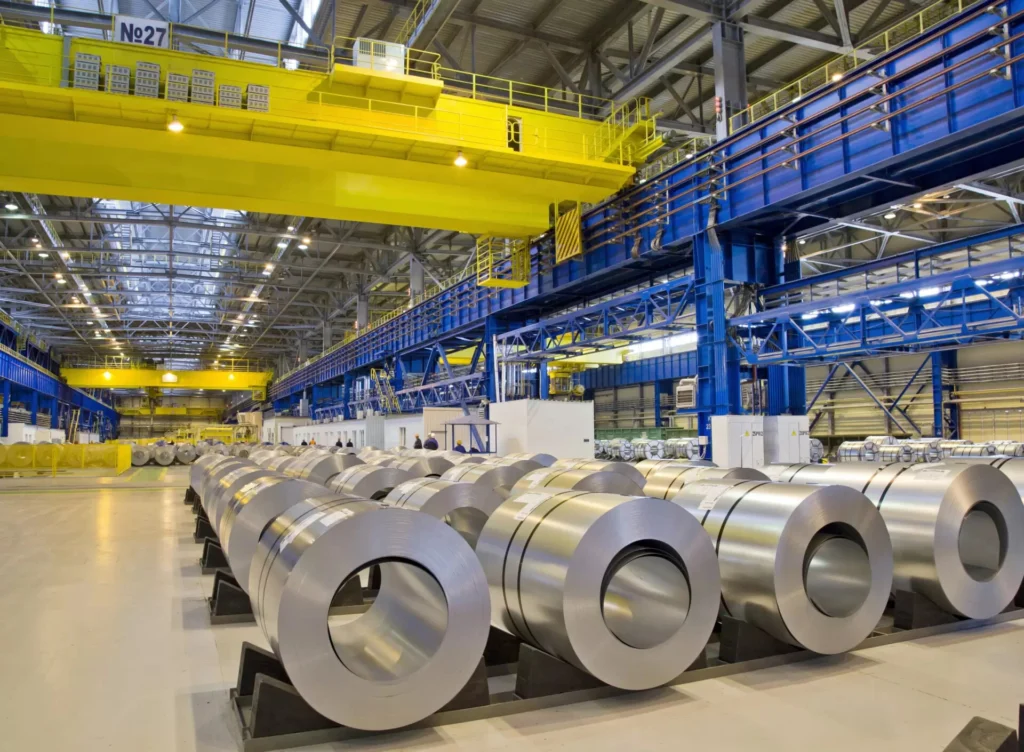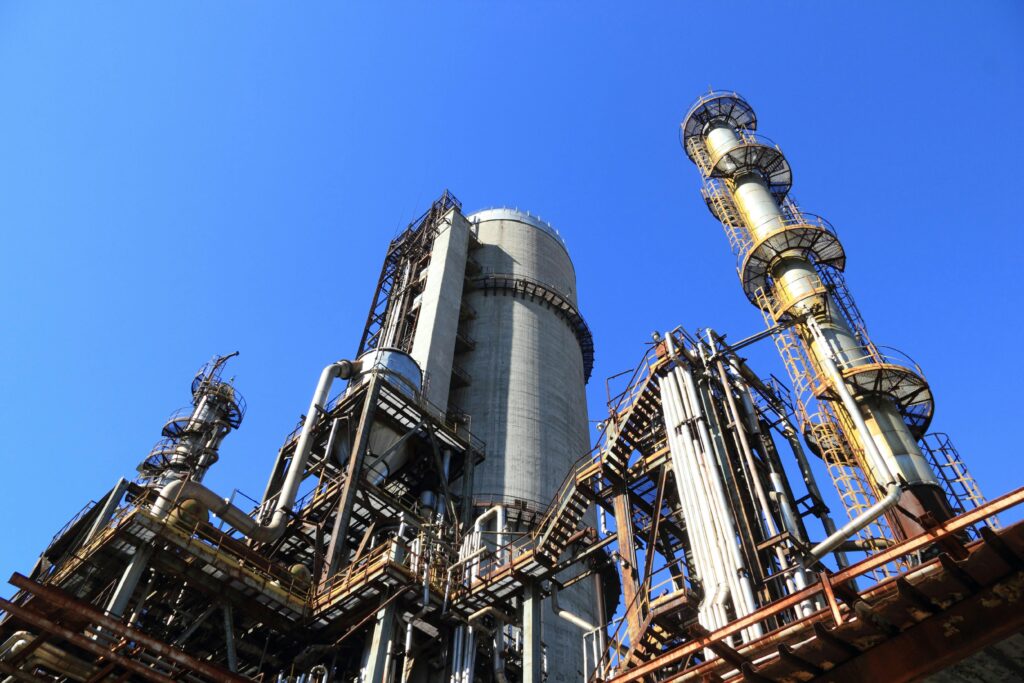
While China leads the world in the production and adoption of clean energy technologies such as solar power and electric vehicles, progress in decarbonizing heavy industries like steelmaking has historically lagged. That dynamic, however, is beginning to change as China accelerates the development of green and low-carbon steel.
China Advances Green Steel Production
In July, state-owned steelmaker HBIS Group agreed to sell more than 10,000 metric tons of green steel to a buyer in Italy, with delivery scheduled by the end of August. The agreement marked one of China’s most significant commercial exports of low-carbon steel to date.
During the same week, Australian Prime Minister Anthony Albanese visited China and pledged closer cooperation on developing the green steel industry, signaling growing international interest in China’s low-emission steel production capabilities.
China currently produces over 1 billion metric tons of steel annually, with approximately 90% manufactured via coal-dependent blast furnace processes. Only about 10% of steel output comes from electric arc furnaces (EAFs) — a cleaner method when powered by renewable electricity, but one that relies heavily on the availability of scrap steel.
Hydrogen Steelmaking Remains Limited but Strategic
China has launched multiple hydrogen-based steelmaking pilot projects, though most remain small in scale. For example, Angang Steel Co., China’s second-largest steel producer, currently manufactures around 10,000 metric tons of iron annually using green-hydrogen-fueled direct reduced iron (DRI).
By contrast, HBIS is exporting that same volume of green steel to Italy in a single shipment. According to research from the Centre for Research on Energy and Clean Air (CREA), only HBIS Group and China Baowu Steel Group are currently producing hydrogen-based green steel in meaningful quantities.
Headquartered in Hebei province, HBIS has reduced emissions by utilizing hydrogen captured from coking processes, where coal is heated to over 1,110°F to produce industrial fuel gas — roughly 60% of which is hydrogen. While it remains unclear how much of the exported steel is made using fully renewable hydrogen, industry analysts note growing access to green hydrogen sources near HBIS facilities.
Policy and Feedstock Constraints Slow Expansion
China’s national government has set a target for 15% of steel output from EAFs, yet EAF capacity has remained near 10% for more than a decade. One key obstacle is the limited availability of scrap steel, which constrains cleaner EAF-based production.
Although Beijing reopened imports of scrap steel, total imports fell sharply in 2024, according to CREA. At the same time, ten provinces increased coal-based steel production, suppressing prices and discouraging more expensive green investments.
According to Xinyi Shen, China team lead at CREA, expanding scrap steel stockpiles would allow China to scale lower-carbon EAF steel production more rapidly while hydrogen steelmaking technologies mature and costs decline.
Renewable Power Policies May Support Green Hydrogen
Recent renewable energy policy changes may further support green hydrogen development. The “430 policy”, effective May 1, requires new distributed solar installations to prioritize on-site power usage before selling surplus electricity to the grid. Meanwhile, the “531 policy” eliminates guaranteed feed-in tariffs, pushing renewable power producers toward spot-market pricing.
These changes could increase renewable electricity availability for green hydrogen production, though outcomes will vary by province. According to Shen, overseas buyers willing to pay premiums for hydrogen-based green steel could become a key market driver.
EU Carbon Border Tax Reshapes Global Steel Trade
Beginning next year, the European Union’s Carbon Border Adjustment Mechanism (CBAM) will impose carbon tariffs on emissions-intensive imports, significantly reducing the competitiveness of coal-fired steel.
While scrap-based EAF steel could scale up, its quality often falls short for export markets. The Italy–HBIS deal demonstrates that truly green, hydrogen-based steel may emerge as a viable export product under CBAM rules.
“This development holds significant implications,” said Nicole Voigt, Global Lead for Metals at Boston Consulting Group. “China’s commitment highlights its intent to capture commercial opportunities in the European green steel market.”
Outlook for Global Steel Buyers
China has nearly twice as many low-carbon industrial demonstration projects as other major economies, with over 100 new projects funded this year alone. While costs remain high, sustained policy support and growing export demand suggest long-term momentum.
For global buyers, China’s accelerating green steel transition offers new sourcing opportunities for low-carbon, high-performance steel products, particularly for markets facing carbon pricing and environmental compliance requirements.
Source
Canary Media / Industry Research
Category: Steel Industry News
Published by: Baowu Special Steel